ProDentim Review 2026: Honest Warning Before You Buyprodentim-review-2026
Bad breath that won’t quit, bleeding gums after flossing, or just a general feeling that your mouth isn’t as healthy as it should be — these are common enough complaints that an entire category of “oral probiotic” supplements has sprung up around them. ProDentim is one of the most heavily marketed names in that category.
I am not a dentist or a microbiologist. What I do is spend the time most people don’t have: going through the available clinical research on the ingredients ProDentim actually contains, reading through aggregated user feedback across multiple platforms, and separating what the science supports from what is simply well-written marketing copy.
Going into this research, my honest doubt was whether a chewable tablet with a handful of probiotic strains could meaningfully change something as complex as the oral microbiome — or whether this was another case of a supplement borrowing legitimate-sounding science to sell a product with little direct evidence behind the finished formula itself.
This review covers:
Who is likely a reasonable fit for it
What ProDentim is and how it claims to work
What the research on its individual ingredients actually shows
What real users report
Pricing and guarantee terms
What Is ProDentim?
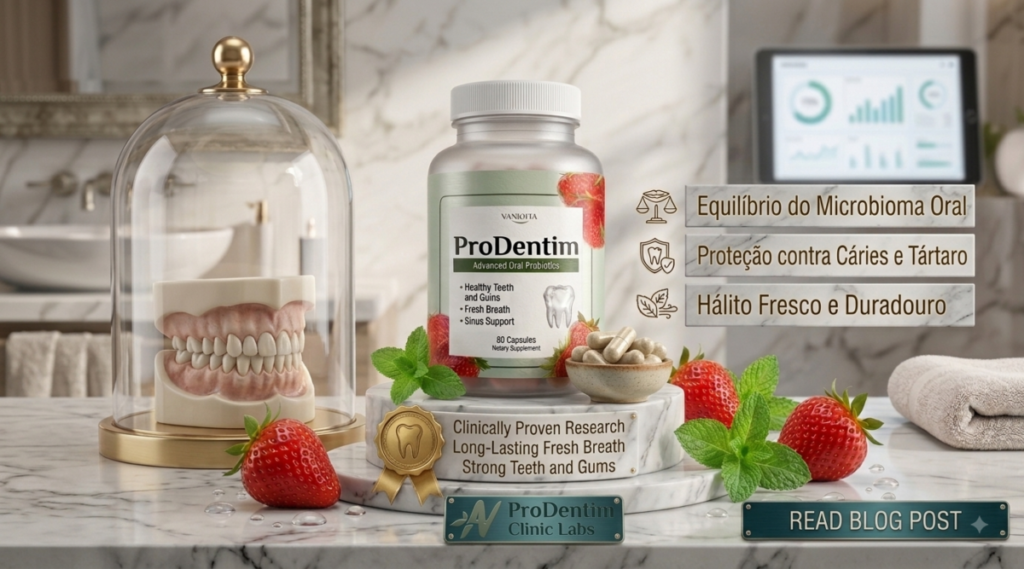
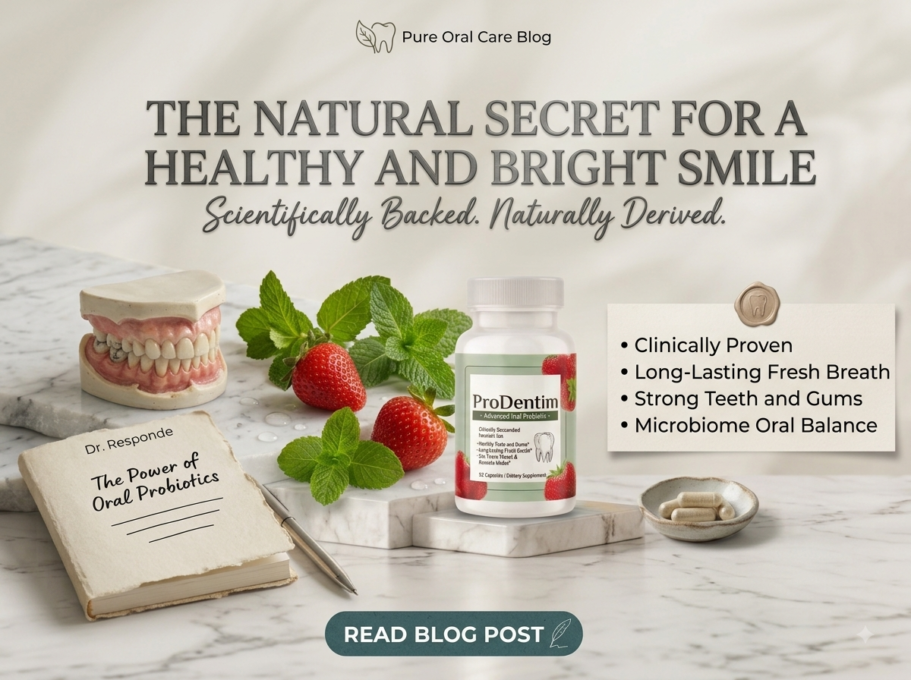
ProDentim is a chewable oral health supplement built around live probiotic bacteria rather than the antibacterial agents found in most toothpaste and mouthwash. It comes as a soft tablet meant to be chewed once daily rather than swallowed, and it is sold exclusively through the manufacturer’s official website.
According to the official product page, ProDentim is manufactured in the United States in a facility described as FDA-registered and GMP-certified, and the tablets are formulated to be non-GMO and gluten-free. It’s worth noting, as with any supplement, that FDA registration applies to the manufacturing facility and does not mean the FDA has evaluated or approved the specific health claims made about the product.
The product is positioned for adults who are dealing with everyday oral concerns such as bad breath, mild gum irritation, or a general desire to support a healthier mouth, rather than for anyone with a diagnosed periodontal disease requiring professional treatment.
How ProDentim Compares to Other Oral Probiotics:
ProDentim competes in a growing niche alongside other oral-probiotic chewables and lozenges. Compared to some competitors that rely on a single probiotic strain, ProDentim’s formula combines three separate strains alongside supporting prebiotic and mineral ingredients, which is a broader approach than some single-strain alternatives on the market.
Where it differs less is in the fundamental model: like most products in this space, it relies on individual ingredient research rather than a published clinical trial on the finished formula, which is a limitation shared across nearly the entire oral-probiotic category, not something unique to ProDentim.
How Does ProDentim Work?
The mechanism ProDentim is built around is fairly straightforward in concept. Instead of trying to kill oral bacteria indiscriminately, the way alcohol-based mouthwashes often do, it introduces specific probiotic strains intended to help rebalance the bacterial ecosystem in the mouth.
The oral cavity hosts its own distinct microbiome, and researchers have increasingly looked at whether introducing beneficial strains can help crowd out bacteria associated with plaque, gum inflammation, and bad breath. A review published via the National Center for Biotechnology Information (NCBI) on oral probiotics notes that certain Lactobacillus and Bifidobacterium strains have shown potential in modulating oral bacterial populations, though the review also stresses that results vary significantly by strain, dose, and study design.
That distinction matters here. The company’s claim that ProDentim can “restore microbial balance” describes a plausible biological mechanism supported by some research on similar strains, but it is not the same as clinical proof that this specific tablet, at its specific (and not fully disclosed) per-strain dosage, produces that effect reliably in the average user.
Ingredient Analysis: What the Research Shows
This is the section worth reading most carefully. ProDentim’s label lists three probiotic strains and four supporting ingredients, delivering a combined 3.5 billion CFU (colony-forming units) per tablet, according to the official product page. Exact per-strain CFU counts are not publicly broken out.
Lactobacillus Reuteri
Lactobacillus reuteri is a probiotic strain naturally found in the human gut and, in smaller amounts, the mouth. Among the strains in ProDentim, it has the most direct oral-health research behind it.
A systematic review in the journal Applied Sciences (MDPI) on L. reuteri and periodontal health found that the strain produces an antimicrobial compound called reuterin, which can inhibit certain periodontal pathogens, and noted modest improvements in gingival indices when used as an adjunct to professional dental cleaning rather than as a standalone treatment.
Examine.com’s summaries of probiotic research similarly describe L. reuteri‘s oral benefits as modest and often dependent on continued daily use, with effects that tend to fade once supplementation stops. The evidence here is reasonably promising but should be read as “helpful add-on,” not a replacement for brushing, flossing, or dental cleanings.
Lactobacillus Paracasei
Lactobacillus paracasei is another probiotic strain studied in the context of gum health and biofilm disruption. A smaller number of clinical trials have looked at its effects on gingivitis markers, generally showing modest reductions in inflammation when the strain is used consistently over several weeks.
Compared to L. reuteri, the body of oral-specific research on L. paracasei is thinner. The evidence direction is consistent but should be considered early-stage rather than well-established.
Bifidobacterium Lactis BL-04
B. lactis BL-04 is a strain more commonly studied for immune and respiratory health than for direct oral outcomes. Research highlighted in Frontiers in Microbiology has associated BL-04 supplementation with a reduced incidence of upper respiratory tract infections, tied to its effect on mucosal immune defenses in the mouth and throat.
That’s a legitimate area of research, but it is adjacent to oral health rather than squarely about gum disease, plaque, or bad breath. Framing BL-04 as primarily an oral-health ingredient stretches the evidence somewhat further than the studies themselves support.
Inulin
Inulin is a prebiotic fiber derived from chicory root. Its role in ProDentim is to act as food for the probiotic strains rather than to have a direct effect on teeth or gums itself. Prebiotic fibers like inulin have reasonably solid general research behind their ability to support beneficial bacterial growth in the gut, and by extension, some researchers theorize a similar supportive role in the mouth, though oral-cavity-specific inulin research is limited.
Tricalcium Phosphate
Tricalcium phosphate is a mineral compound associated with delivering calcium and phosphate to tooth enamel, nutrients involved in the natural remineralization process. Most of the published research on tricalcium phosphate’s enamel benefits comes from topical toothpaste formulations applied directly to teeth, not from an orally chewed tablet that is swallowed after chewing. Whether the same remineralization effect translates to a supplement format is not something the current research directly answers.
Malic Acid and Peppermint
Malic acid, commonly derived from fruits like strawberries and apples, is included largely for its association with surface stain reduction and saliva stimulation, while peppermint contributes flavor along with some mild antimicrobial properties documented in food-science research. Neither ingredient carries strong standalone clinical evidence for treating gum disease or cavities, and both are best understood as supporting, rather than primary, active ingredients.
Overall Evidence Assessment
| Ingredient | Evidence Strength | Notes |
| Lactobacillus reuteri | Promising | Best oral-specific evidence; effects are modest and adjunctive |
| Lactobacillus paracasei | Early-stage | Smaller trial base, consistent direction |
| B. lactis BL-04 | Indirect | Stronger for respiratory/immune outcomes than oral outcomes specifically |
| Inulin | Theoretical | Feeds probiotics; limited oral-specific data |
| Tricalcium phosphate | Mixed | Enamel research mostly from topical use, not chewable form |
| Malic acid & peppermint | Limited | Supporting ingredients, not primary actives |
Taken together, ProDentim’s formula draws on ingredients that have real, published research behind them individually. What does not exist, based on the research available at the time of writing, is an independent clinical trial of the finished ProDentim tablet itself.
What Real Users Are Saying
Across the reviews analyzed on the official site and referenced in third-party review roundups, a consistent pattern emerges. Many users report noticing fresher breath and a “cleaner” mouth feel within the first three to four weeks of daily use, along with occasional mentions of less bleeding when flossing.
A recurring theme in independent review aggregation is that results are described as gradual and modest rather than dramatic, which lines up reasonably well with what the underlying ingredient research would predict. Some reviewers report no noticeable change at all, particularly those expecting a fast or significant transformation.
The most common complaints are not about safety but about logistics: shipping delays, confusion around refund processing timelines, and occasional frustration with counterfeit or unauthorized listings on third-party marketplaces that do not carry the official guarantee. Based on the volume of feedback referenced across multiple review platforms, these logistical issues appear more frequently than reports of adverse reactions to the product itself.
Key Benefits Based on Evidence and User Feedback
- Fresher breath: Clinical evidence suggests probiotic strains like L. reuteri can help modulate odor-associated bacteria, and users commonly report noticing fresher breath within a few weeks.
- Reduced gum bleeding as an adjunct: Research on L. reuteri points to modest improvements in gingival indices when used alongside regular dental hygiene, and this mirrors what a portion of user reviews describe.
- Convenient daily format: Users commonly report that the chewable format is easier to stick with than added mouthwash steps, though this is a usability observation rather than a clinical one.
- Enamel-supporting minerals: Tricalcium phosphate provides calcium and phosphate associated with remineralization, though evidence for this effect specifically via a chewable supplement is limited.
Pros and Cons
| Pros | Cons |
| Contains probiotic strains with some genuine oral-health research behind them, especially L. reuteri | No independent clinical trial exists on the finished ProDentim formula itself |
| Chewable format is convenient and easy to incorporate into a daily routine | Exact per-strain CFU dosages are not fully disclosed on the label |
| Manufactured in a facility described as FDA-registered and GMP-certified | Priced at a premium compared to standard oral hygiene products |
| 60-day money-back guarantee reduces financial risk of trying it | Does not replace brushing, flossing, or professional dental care |
| Non-GMO and gluten-free formulation | Sold only through the official website, making price comparison harder |
Who Is ProDentim Best Suited For?
Adults dealing with mild, everyday oral concerns. People noticing occasional bad breath or slightly irritated gums, without a diagnosed periodontal condition, are the group most likely to notice the kind of modest improvements described in both the research and user feedback.
People already maintaining a basic oral hygiene routine. Because the evidence for these probiotic strains points to an adjunct effect rather than a standalone treatment, ProDentim is more logically suited to someone brushing and flossing regularly who wants to add another layer of support.
Those who prefer a supplement-based approach over additional rinses. If someone dislikes the taste or feel of medicated mouthwash, a once-daily chewable may fit their routine better, independent of any additional clinical benefit.
People willing to commit to several weeks of consistent use. Given that reported benefits, where they occur, tend to build gradually, this product is a poor fit for anyone expecting immediate or dramatic results.
Who Should Avoid ProDentim?
This is a mandatory consideration for any supplement, and ProDentim is no exception. Pregnant or nursing women should consult a physician before starting any new probiotic supplement, since safety data specific to pregnancy is generally limited across this ingredient category.
People currently on medication, particularly immunosuppressive drugs, or those with compromised immune systems, should talk to a doctor before introducing live bacterial strains, as probiotic supplementation carries theoretical risks in immunocompromised individuals that healthy adults do not face.
ProDentim is not intended for children or minors. Anyone with a diagnosed periodontal disease, an active dental infection, or persistent oral pain should see a dentist directly rather than relying on a supplement to address the underlying issue. When in doubt, speak with your doctor or pharmacist before adding any supplement to your routine.
Realistic Expectations and Timeline
Based on both the underlying ingredient research and aggregated user feedback, a realistic timeline for noticing any change appears to be somewhere in the three-to-four-week range of consistent daily use, with some research on similar probiotic strains suggesting effects can continue to build over several months.
It’s worth being direct here: results vary based on baseline oral health, diet, existing hygiene habits, genetics, and consistency of use. Nothing in the available research suggests ProDentim can reverse an existing periodontal condition, replace professional dental cleanings, or guarantee a specific outcome for any individual user.
How to Use ProDentim
According to the official product label, ProDentim is taken as one soft chewable tablet per day. The manufacturer recommends chewing it in the morning, allowing the ingredients to interact with saliva and the oral cavity directly, rather than swallowing it whole like a standard capsule.
common usage mistake noted in user feedback is inconsistent daily use, which undermines the cumulative effect that probiotic supplementation research generally depends on. Because live bacterial strains are involved, storing the product according to label instructions, away from excessive heat or humidity, also matters for maintaining potency through the full bottle.
Is ProDentim Safe?
The probiotic strains used in ProDentim, including Lactobacillus paracasei, Lactobacillus reuteri, and Bifidobacterium lactis BL-04, are commonly recognized as safe (GRAS-listed) for use in food and supplement products at typical dietary amounts, according to widely available food-safety classifications. The supporting ingredients, inulin, malic acid, tricalcium phosphate, and peppermint, are established food-grade compounds with long safety records.
The manufacturer states the product is produced in an FDA-registered, GMP-certified facility, a claim that could not be independently verified beyond what is published on the official page, and it’s worth reiterating that this describes manufacturing standards rather than product-specific FDA approval.
Mild, temporary digestive adjustment is the most commonly reported side effect associated with introducing new probiotic strains generally, though reports of this with ProDentim specifically appear limited in the aggregated feedback reviewed. As with any supplement introducing live bacterial cultures, professional consultation is worth prioritizing for anyone with an existing health condition or weakened immune system.
Pricing, Packages and Where to Buy
Pricing on the official ProDentim website is structured around bundle discounts, with the per-bottle cost decreasing at higher quantities:
| Package | Price Per Bottle | Total Price | Supply | Bonuses |
| 1 Bottle | $69 | $69 | 30 days | None |
| 3 Bottles | $59 | $177 | 90 days | 2 digital guides included |
| 6 Bottles | $49 | $294 | 180 days | 2 digital guides included |
Every package is covered by a 60-day money-back guarantee, according to the official site, allowing a refund request on unused product within that window. As always, terms and conditions can change, so confirming current guarantee language directly on the official checkout page before purchasing is the safest approach.
It’s worth being explicit about a real risk in this category: ProDentim is not sold through Amazon, Walmart, or standard retail pharmacies, and listings claiming otherwise are very likely unauthorized or counterfeit. Purchasing only through the official website is the most reliable way to ensure product authenticity and to remain eligible for the manufacturer’s refund policy.
Final Verdict
After going through the available research on ProDentim’s individual ingredients and cross-referencing it against aggregated user feedback, the honest conclusion sits in the middle. The probiotic strains it contains, particularly L. reuteri, have real, published research suggesting a modest, adjunctive benefit for gum health and breath freshness. The other ingredients range from reasonably well-supported to more theoretical in an oral-supplement context.
What remains genuinely uncertain is how these individual ingredient studies translate into the finished ProDentim tablet, since no independent clinical trial of the actual product has been published. That’s not unique to ProDentim within its category, but it is a real limitation worth weighing before spending on a multi-bottle bundle.
People with mild, everyday oral concerns who already maintain a basic hygiene routine and are willing to use it consistently for several weeks are the most likely to notice the kind of modest improvements the research would predict. Anyone expecting it to resolve a diagnosed dental condition, or looking for guaranteed, dramatic results, is probably not the right audience for this product, or any supplement in this category.
Given the 60-day guarantee, readers who feel their situation reasonably matches the profile described above may find it a low-risk way to test the claims for themselves, ideally alongside, not instead of, regular dental care.
Frequently Asked ProDentim Questions
Is there clinical evidence that ProDentim actually works?
Individual ingredients in ProDentim, particularly Lactobacillus reuteri, have published research showing modest oral-health benefits as an adjunct to regular hygiene. However, no independent clinical trial has tested the finished ProDentim formula itself, so the evidence supports the ingredients more directly than the specific product.
Is ProDentim safe to take daily?
The probiotic and supporting ingredients in ProDentim are generally recognized as safe at typical dietary amounts. Pregnant or nursing women, people on medication, and those with compromised immune systems should consult a doctor before daily use.
Where can I buy ProDentim safely?
ProDentim is sold exclusively through its official website and is not available through Amazon, Walmart, or standard pharmacies. Buying through unofficial third-party listings carries a real risk of counterfeit product and voids eligibility for the manufacturer’s refund policy.
What is ProDentim’s return policy?
According to the official website, ProDentim purchases are covered by a 60-day money-back guarantee on unused product. Refund processing times can take several business days to a few weeks depending on payment method, based on aggregated user reports.
How does ProDentim compare to other oral probiotic supplements?
ProDentim uses a three-strain probiotic blend, which is broader than some single-strain competitors, alongside supporting prebiotic and mineral ingredients. Like most products in this category, it relies on individual ingredient research rather than a published trial on the finished formula, a limitation shared across the wider oral-probiotic space.