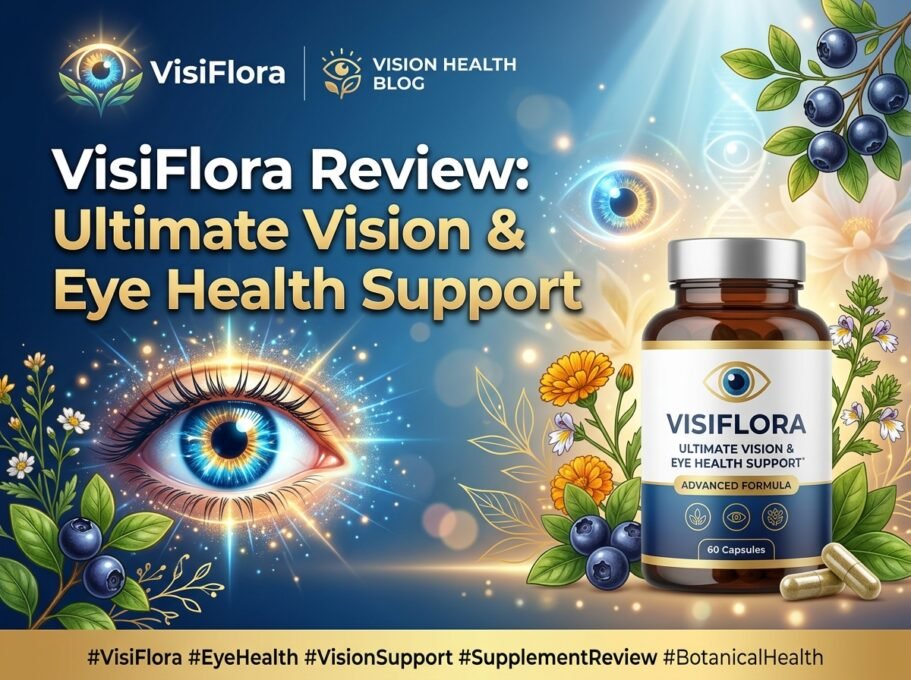
VisiFlora User Reviews 2026: An Honest Look at Benefits & Safety
VisiFlora user reviews can be useful when you are trying to decide whether an eye-health supplement deserves your attention. But reviews alone do not tell the whole story. What matters just as much is what is actually in the formula, how transparent the product information is, and whether the ingredients have meaningful research behind them.
I approached VisiFlora with that in mind. Rather than treating the product’s promotional material as proof of effectiveness, I looked at its stated formula and compared the broader ingredient approach with available research on eye-health nutrients.
The result is a more nuanced picture. VisiFlora contains several ingredients that are relevant to vision and nutritional support, but that does not automatically mean the finished supplement will produce noticeable results for everyone.
Quick answer: VisiFlora is a multi-ingredient eye-health supplement built around nutrients and botanical extracts such as lutein, zeaxanthin, astaxanthin, bilberry, vitamin C, vitamin E, and other compounds. Some individual ingredients have scientific evidence behind them, but evidence for an ingredient should not be confused with proof that VisiFlora itself produces a particular outcome.
The product information supplied for this review identifies “VisiFlora user reviews” as the primary focus keyword and positions the article around buyer questions including ingredients, results, safety, usability, pros and cons, and where to buy.
What Is VisiFlora?
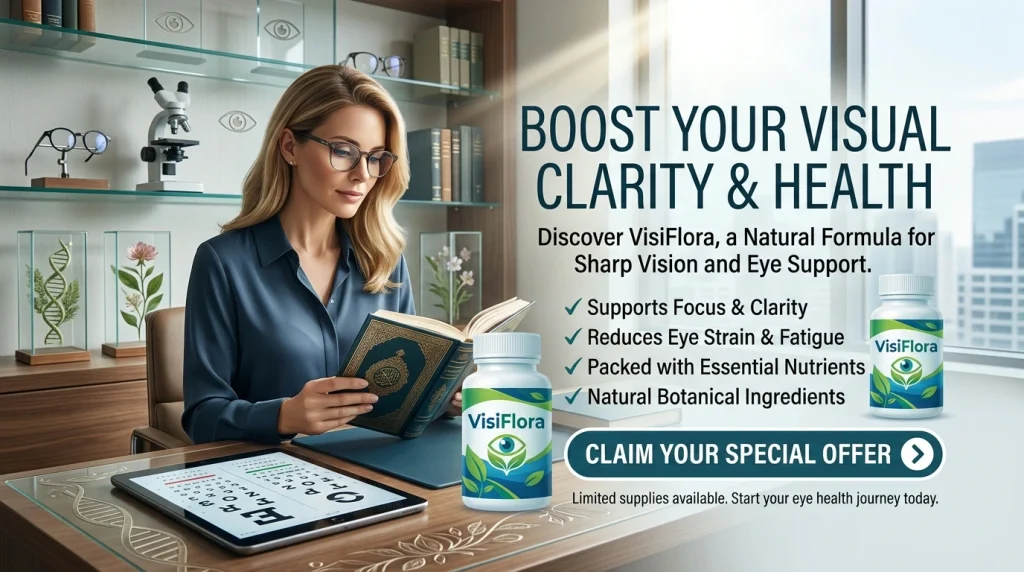
VisiFlora is a dietary supplement positioned around eye and vision wellness.
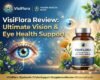
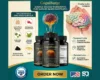
The current product information available online describes a formula containing multiple nutrients and botanical ingredients grouped into different blends. The stated ingredient list includes compounds such as astaxanthin, vitamin C, vitamin E, copper, selenium, chromium, grape seed extract, rutin, quercetin, taurine, alpha-lipoic acid, ginkgo biloba, coleus forskohlii, eyebright, vitamin A, lutein, zeaxanthin, zinc, bilberry, lycopene, and saffron.
That makes VisiFlora quite different from a simple lutein-only supplement.
The basic idea is to combine several nutrients and plant-derived ingredients associated with eye nutrition into one product. For someone who prefers an all-in-one supplement, that approach may be convenient.
However, a long ingredient list should not automatically be interpreted as a stronger formula.
One of the questions I would ask before buying any multi-ingredient supplement is whether the individual ingredients are present in meaningful amounts and whether those amounts have been studied in humans.
VisiFlora User Reviews: What Should You Actually Look For?
When reading VisiFlora user reviews, I would be careful about treating individual experiences as scientific evidence.
One person may report that a supplement made their eyes feel more comfortable, while another person may notice no difference at all. Neither experience necessarily tells us how the product performs across a larger population.
Reviews can still be useful, though.
I would pay attention to practical details such as:
- Whether the capsules are easy to take
- Whether users mention digestive discomfort
- How convenient the daily routine is
- Whether people consistently describe the same experience
- Whether buyers received the expected product
- Whether the refund process appears straightforward
I would be much more skeptical of reviews promising dramatic improvements in eyesight or suggesting that a supplement can replace an eye examination.
Those are very different claims.
For a health-related product, I think the best approach is to combine consumer feedback with the actual ingredient evidence rather than relying exclusively on testimonials.
Why VisiFlora Stood Out to Me
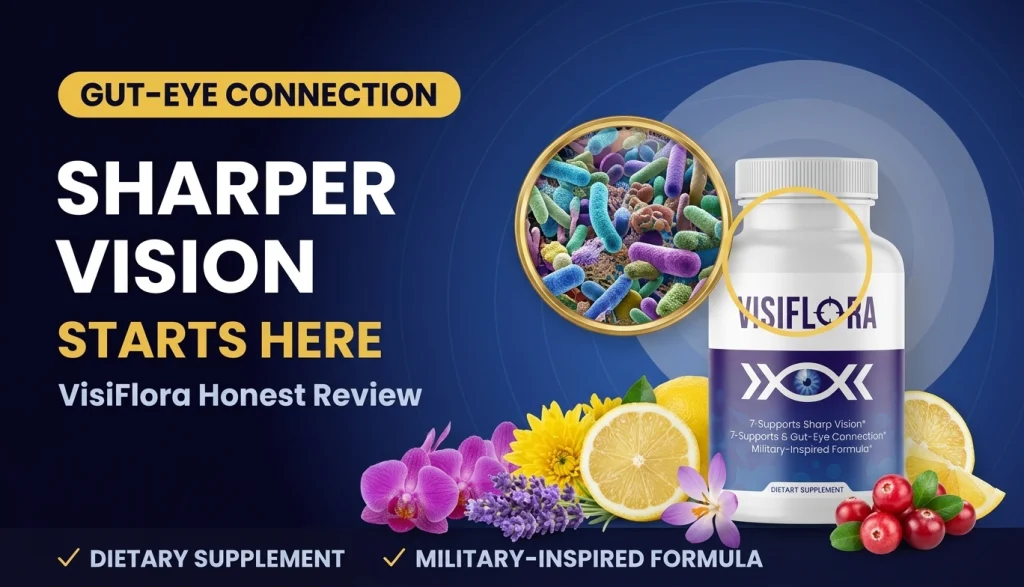
What caught my attention was the breadth of the formula.
Many eye supplements focus heavily on one or two nutrients. VisiFlora takes a broader approach, combining carotenoids, vitamins, minerals, and botanical extracts.
Lutein and zeaxanthin are particularly relevant because they are naturally present in the retina. The National Eye Institute explains that these carotenoids are found in the retina and lens and are involved in the eye’s natural defenses against high-energy light.
There is also meaningful clinical research involving these nutrients.
For example, the AREDS2 clinical trial studied lutein and zeaxanthin in people with certain stages of age-related macular degeneration. The National Eye Institute reports that the AREDS2 formulation containing lutein and zeaxanthin was associated with a benefit compared with the original beta-carotene formulation, particularly in certain groups.
But there is an important qualification here.
AREDS2 is not a study of VisiFlora.
The fact that VisiFlora contains lutein and zeaxanthin does not mean it should be considered equivalent to the AREDS2 formula.
That distinction is easy to overlook when reading supplement marketing, and it is one of the reasons I prefer to examine individual ingredients separately.
You might also like to read: AREDS 2 Supplements for Age-Related Macular Degeneration (AMD)
How the VisiFlora Approach Works
At a simplified level, VisiFlora’s approach is nutritional rather than pharmaceutical.
The formula combines several categories of ingredients:
Carotenoids
Lutein and zeaxanthin are carotenoids found naturally in the eye. They are among the better-researched ingredients in the formula.
A randomized controlled trial published in Frontiers in Nutrition in 2025 examined lutein and zeaxanthin supplementation in people who regularly used electronic screens for more than six hours per day. The study found improvements in several objective measures related to tear function and visual health after six months, although not every measured outcome improved.
That is encouraging, but it is still not evidence that every lutein-and-zeaxanthin supplement will have identical effects.
Vitamins and minerals
The formula also contains nutrients such as vitamin C, vitamin E, vitamin A, zinc, copper, and selenium.
These nutrients have established roles in normal physiological function, including functions relevant to maintaining healthy tissues.
However, more is not necessarily better. Supplementation should be considered in the context of overall dietary intake and other supplements a person may already be taking.
Botanical ingredients
VisiFlora also includes several plant-derived compounds, including bilberry, grape seed extract, ginkgo biloba, saffron, eyebright, and others.
This is where I would be more cautious about drawing strong conclusions.
Some botanicals have interesting preliminary or condition-specific research, but the evidence varies considerably from ingredient to ingredient.
Potential Results and Realistic Expectations
This is probably the section most prospective buyers care about.
What can you realistically expect from VisiFlora?
I would keep expectations modest.
Some users may be interested in nutritional support for their eyes, particularly if their diet is lacking certain nutrients. Others may be looking for support while spending many hours in front of computers, phones, or other screens.
But a supplement should not be expected to suddenly sharpen normal vision or correct a refractive error.
If you need glasses or contact lenses, nutritional supplements are not a replacement for appropriate vision correction.
Likewise, persistent blurred vision, eye pain, flashes, sudden floaters, loss of vision, or other unusual symptoms deserve professional evaluation rather than self-treatment with supplements.
Research does suggest that lutein and zeaxanthin can influence measurable aspects of eye biology. For example, randomized trials have found increases in macular pigment and changes in certain retinal or visual-performance measures after supplementation.
Still, those findings should not be translated into a promise that someone taking VisiFlora will experience a dramatic improvement in everyday eyesight.
That would go beyond the evidence.
What I Like About VisiFlora
There are several practical positives worth mentioning.
- Broad nutritional approach: The formula includes vitamins, minerals, carotenoids, and botanical ingredients rather than relying on just one compound.
- Lutein and zeaxanthin are included: These are among the more extensively studied nutritional components associated with eye health.
- Convenience: An all-in-one formula may be easier for someone who does not want to purchase multiple individual supplements.
- Relevant to modern lifestyles: Eye comfort and visual fatigue are common concerns for people who spend substantial time using digital screens.
- Some ingredients have human research: The evidence is not uniform, but several components have been investigated in clinical studies.
- The product has a clear eye-health focus: Buyers do not have to guess what the supplement is intended to support.
Things I Would Consider Before Buying
A balanced VisiFlora review also needs to address the limitations.
A large formula can make evaluation difficult
When a product contains many ingredients, it becomes harder to determine which components actually matter.
If someone notices a change while taking the product, there is no easy way to know which ingredient contributed to that experience.
Research on ingredients is not research on the finished product
This is one of the most important distinctions in supplement evaluation.
A study involving 10 mg of lutein and 2 mg of zeaxanthin, for example, does not establish that a product containing those ingredients at a different dose will have the same outcome.
The National Eye Institute specifically notes that its AREDS/AREDS2 findings relate to particular formulations and that the institute cannot comment on the safety or effectiveness of any specific commercial brand.
Individual results can vary
A supplement may be useful to one person and largely unnoticeable to another.
Diet, age, existing eye health, nutritional status, medication use, and lifestyle can all influence the experience.
It is not a substitute for eye care
This point deserves emphasis.
A supplement can be part of someone’s nutritional routine, but it should not replace regular eye examinations or appropriate medical care.
Safety, Side Effects & Trust Factors
I would approach VisiFlora with the same basic caution I would use with any multi-ingredient dietary supplement.
“Natural” does not automatically mean risk-free.
Some ingredients can interact with medications, and certain vitamins and minerals can become problematic when taken in excessive amounts or combined with other supplements.
Ginkgo biloba is a good example of why ingredient-level caution matters. Someone taking medication that affects blood clotting should discuss ginkgo-containing supplements with a healthcare professional rather than assuming that a plant-based ingredient is automatically harmless.
The same principle applies to people who are pregnant or breastfeeding, people with existing medical conditions, and anyone already taking several medications or supplements.
I would also check the current Supplement Facts label before ordering, because formulations can change.
Who VisiFlora May Be Suitable For
Based on its positioning and formula, VisiFlora may be more relevant to adults who:
- Are interested in nutritional support for general eye wellness
- Prefer a multi-ingredient supplement
- Spend substantial time using digital devices
- Want a formula containing lutein and zeaxanthin
- Prefer combining several nutrients into one product
- Understand that supplements are not guaranteed to change eyesight
It may be less appealing to someone who wants a very simple formula containing only one or two clearly quantified ingredients.
For that type of buyer, comparing single-ingredient products may make it easier to understand exactly what they are taking.
Who Should Be More Cautious?
I would recommend extra caution for anyone who:
- Takes prescription medication
- Has a diagnosed eye condition
- Is pregnant or breastfeeding
- Has a medical condition requiring regular treatment
- Already takes several vitamin or mineral supplements
- Is considering the product as an alternative to professional eye care
Anyone experiencing a sudden change in vision should seek prompt medical attention rather than waiting to see whether a supplement helps.
The same applies to persistent eye pain, sudden flashes, a sudden increase in floaters, or partial or complete vision loss.
These symptoms can require professional assessment.
Where to Buy VisiFlora
If you decide that VisiFlora is worth considering, I would use the official sales channel rather than an unknown third-party seller.
The sales page supplied for this review is:
The source instructions for this review specifically recommend using the sales page to identify the product and understand its positioning rather than treating promotional claims or testimonials as primary evidence.
That is a sensible approach.
Before purchasing, I would verify the current price, serving instructions, ingredients, shipping terms, and refund conditions directly on the checkout page.
I would also be cautious about purchasing from unfamiliar websites using similar-looking product names.
My Final Verdict on VisiFlora
After looking at the formula and the available evidence, I think VisiFlora is best viewed as a broad nutritional eye-health supplement, not as a guaranteed solution for vision problems.
The inclusion of lutein and zeaxanthin is one of the more compelling aspects because these nutrients have a substantial research history. Clinical evidence supports their role in certain eye-health contexts, particularly in specific populations and formulations.
The broader ingredient list may also appeal to people who prefer a comprehensive formula.
However, I would not use positive research on individual ingredients as proof that VisiFlora itself will deliver a particular result. The exact formulation, dosage, individual health circumstances, and consistency of use all matter.
My overall view is therefore cautiously positive, with qualifications.
If your goal is general nutritional support for eye health, VisiFlora may be worth researching. If you are experiencing significant or unexplained changes in vision, however, I would put an eye examination and professional advice ahead of any supplement.
Ultimately, the most useful VisiFlora user reviews are the ones that discuss realistic experiences rather than promising dramatic changes. Combine those experiences with the ingredient evidence, read the current label carefully, and make your decision based on your own circumstances.
Continue reading: ProDentim Review 2026: Honest Warning Before You Buyprodentim-review-2026
Frequently Asked Questions about VisiFlora (FAQ)
Is VisiFlora a good supplement for eye health?
VisiFlora contains several nutrients and botanical ingredients associated with eye wellness, including lutein and zeaxanthin. However, whether it is appropriate or beneficial for a particular person depends on individual circumstances and should not be assumed from the ingredient list alone
What ingredients are in VisiFlora?
VisiFlora contains multiple ingredients, including lutein, zeaxanthin, astaxanthin, vitamins C and E, zinc, bilberry, grape seed extract, ginkgo biloba, saffron, and other nutrients and botanical compounds.
Can VisiFlora improve eyesight?
There is not enough evidence to claim that VisiFlora will improve eyesight for everyone. Some ingredients, particularly lutein and zeaxanthin, have been studied for specific aspects of eye health, but those studies do not prove that the finished VisiFlora product will produce the same results.
Are VisiFlora user reviews enough to decide whether to buy it?
VisiFlora user reviews can provide useful information about convenience and individual experiences, but they should not be treated as scientific evidence. It is better to consider reviews alongside the ingredient label, available research, safety information, and advice from an eye-care professional when appropriate.